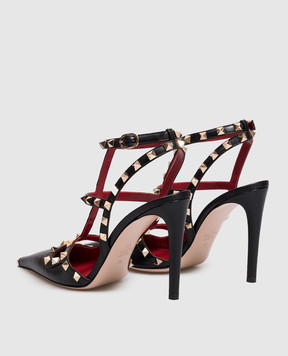
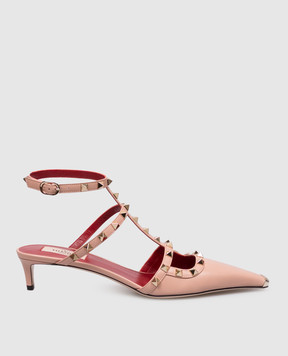
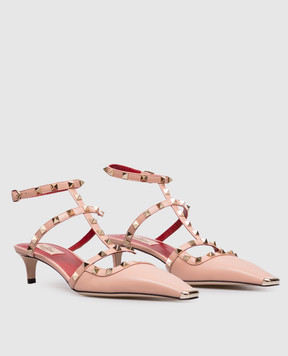
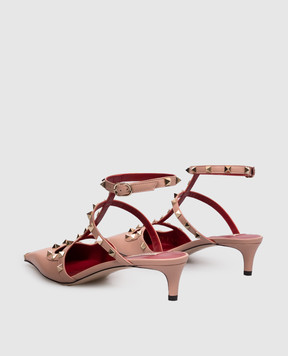
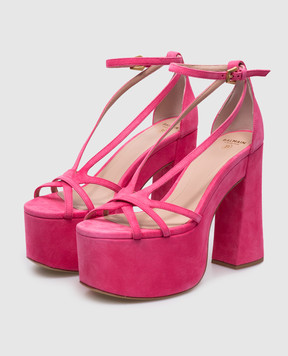
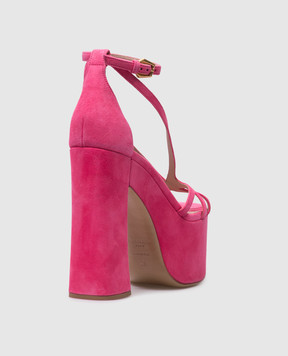
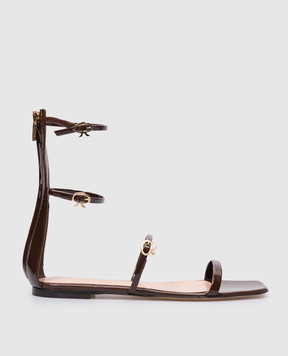
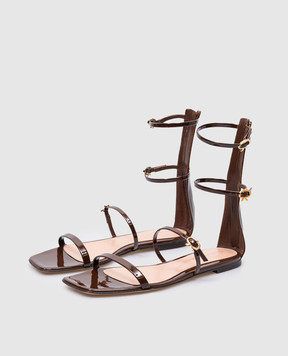
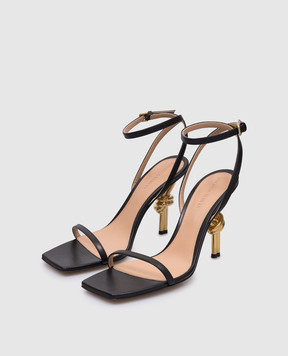
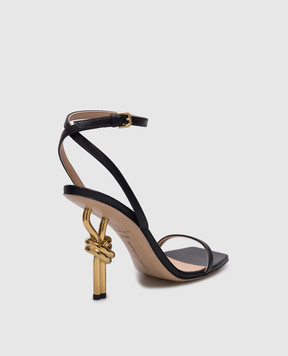
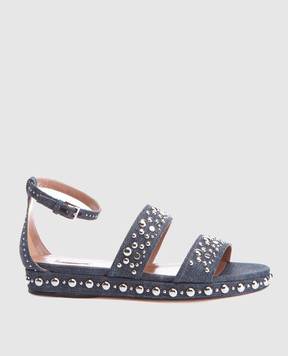
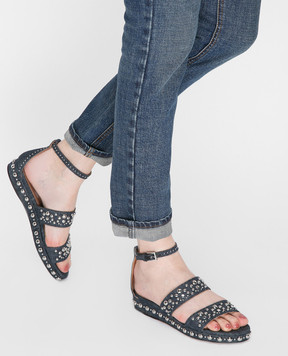
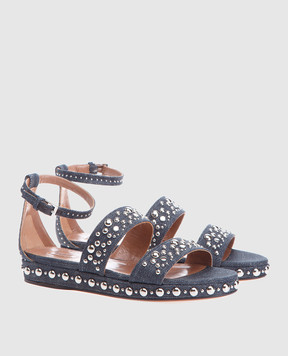
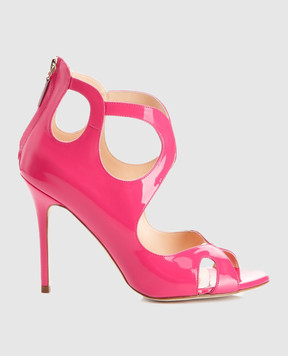
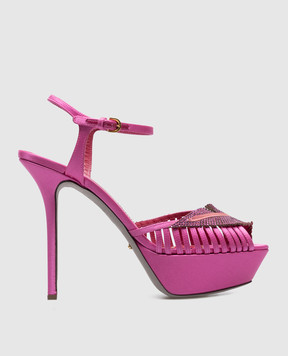
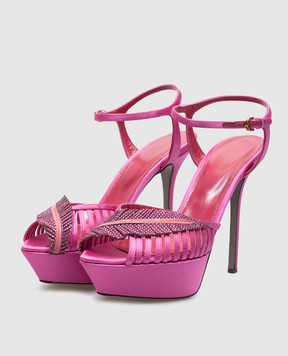
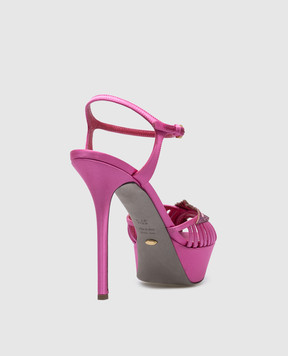
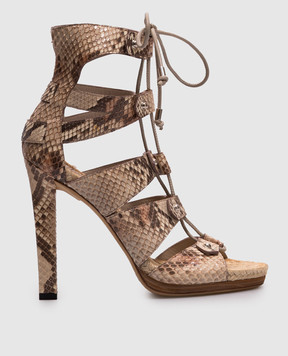
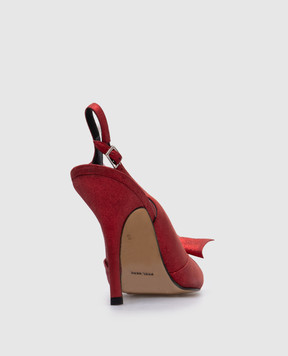
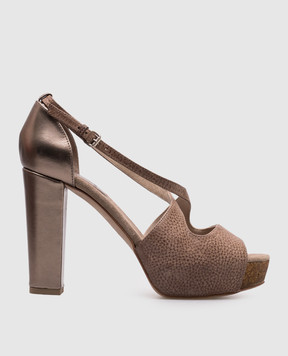
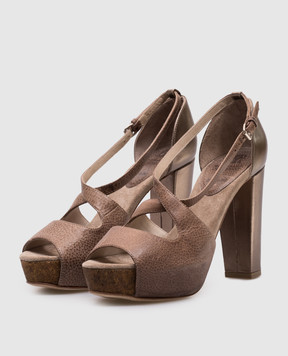
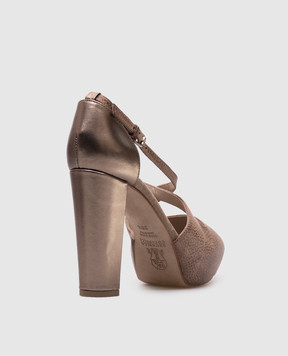
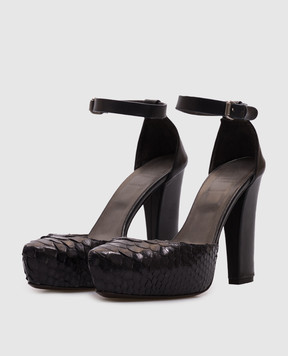
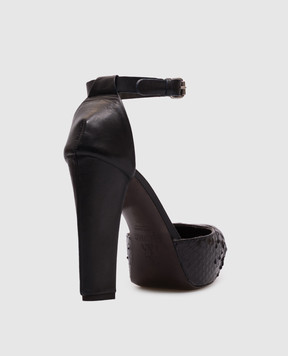
Designer Sandals for women
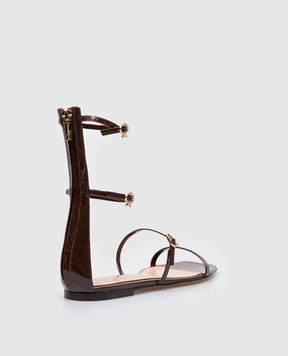
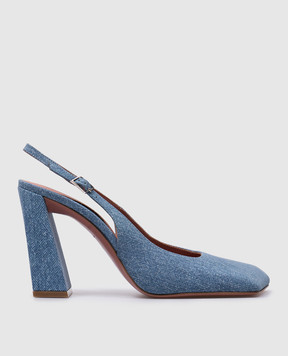
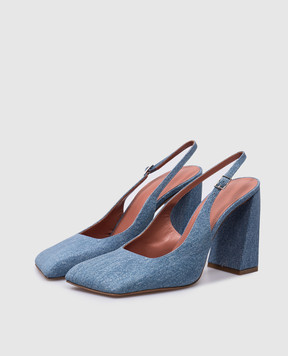
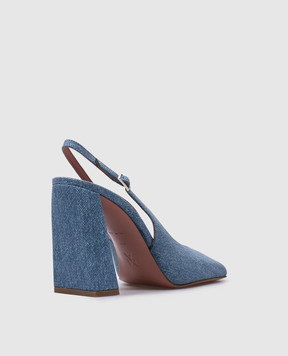
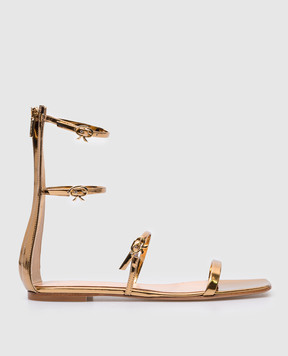
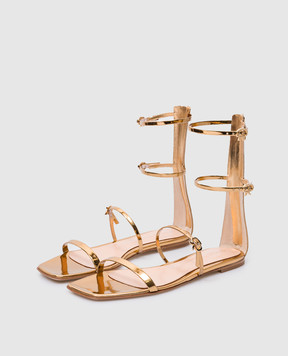
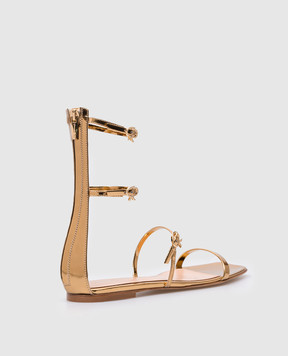
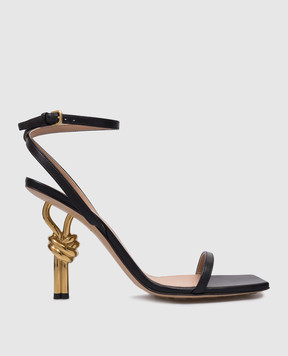


Recently watched
If we take into account that sandals are the predecessors of modern sandals, then it can be confidently stated that they have existed for more than 5500 years. These types of shoes were first created in the hot regions of the ancient world: Egypt, Greece, and Rome. However, only the wealthy and noble individuals had the privilege of wearing sandals. They were crafted from palm leaves, papyrus, and fastened with leather laces. It was only later that sandals started being adorned with gold braids, patterns, and precious gemstones.
Although historical evidence reveals that similar footwear to modern sandals existed throughout different eras and among various cultures, they temporarily fell out of fashion during the Middle Ages due to changing trends. Sandals made a comeback during the Renaissance, but were exclusively worn by members of the bohemian society. The prevailing fashion consisted of knee-high sandals paired with dresses resembling Greek chitons or Roman tunics. Eventually, women began favoring shoes with stockings, causing sandals to be unjustly forgotten once again. It wasn't until the 1920s that they regained attention when they appeared on the beaches of the French Riviera, captivating the fashionable society. Andre Perugia took a daring step a decade later by introducing heels to sandals, transforming them into more elegant footwear. Fashion enthusiasts were thrilled, marking the beginning of the sandal era, which now rightfully holds a prominent place in the modern women's wardrobe.
We accept Visa, MasterCard, Maestro, American Express cards. You can also pay with Google Pay, Apple Pay, PayPal.
Symbol.fashion use cookies and other technologies to keep our sites reliable and secure, to measure their performance, to deliver a personalised shopping experience and personalised advertising. To do this, we collect information about users, their behaviour, and their devices.
If you select "That's OK", you accept this and agree that we may share this information with third parties, such as our marketing partners. If you deny we will use only the essential cookies and, unfortunately, you will not receive any personalised content.
Detail Privacy Policy
Enter your phone number and we will call you back
to discuss order details