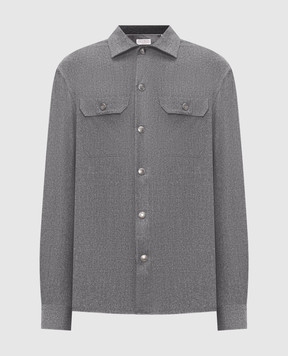
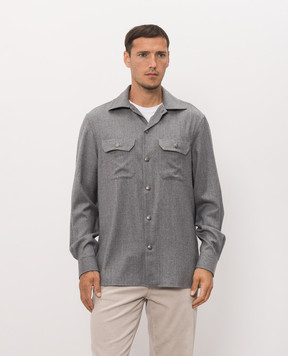
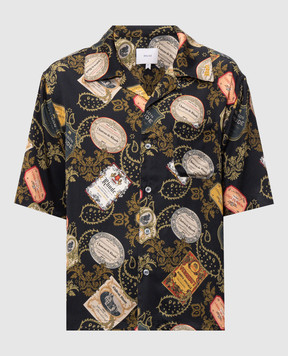
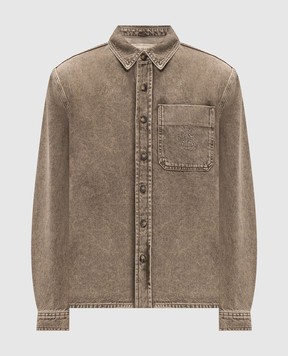
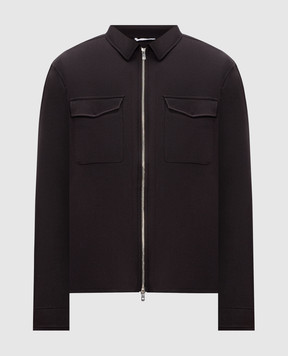
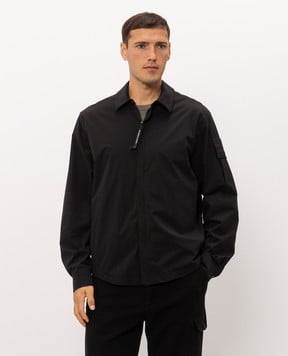
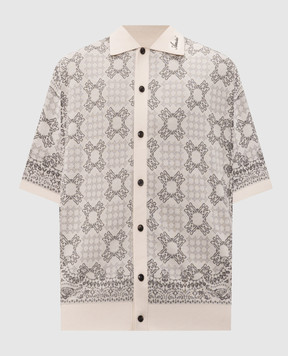
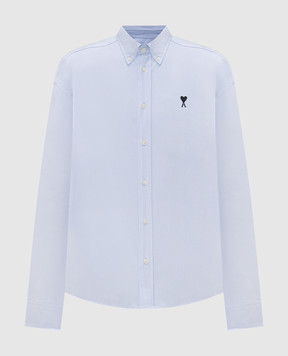
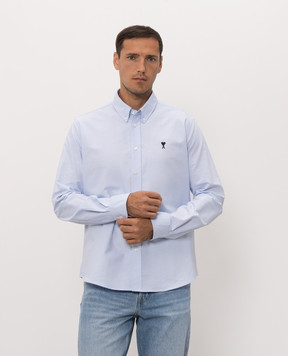
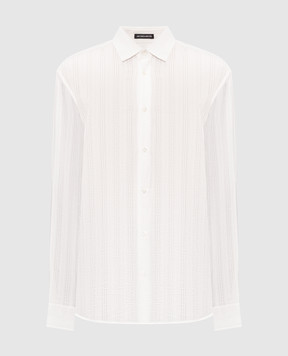
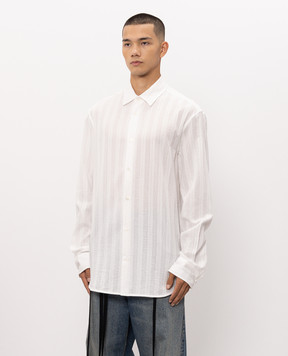
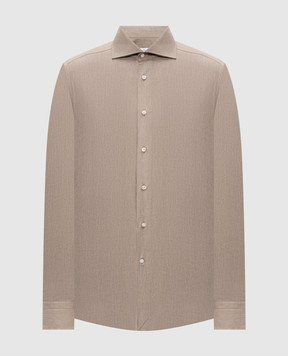
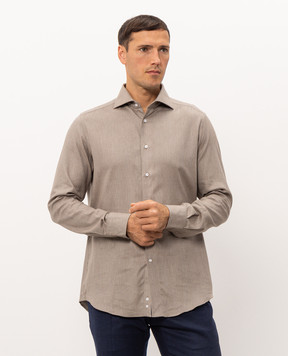
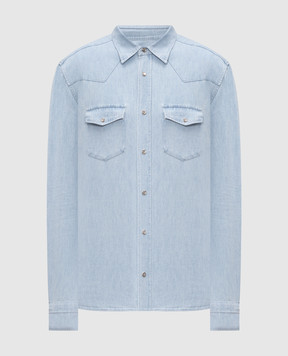
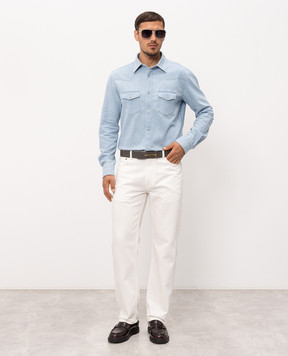
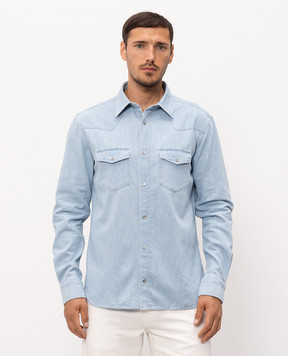
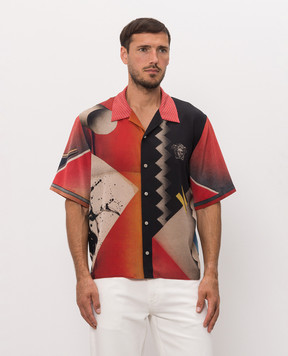
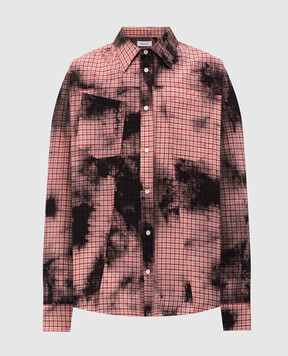
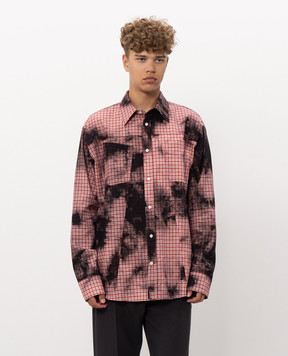
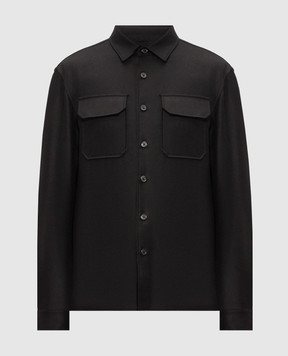
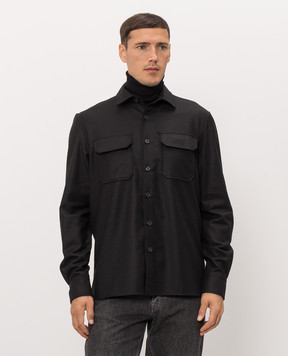
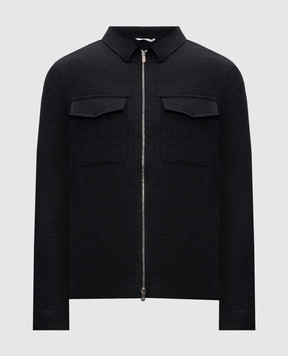
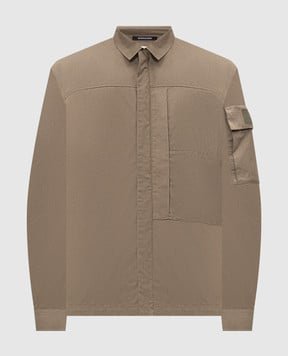
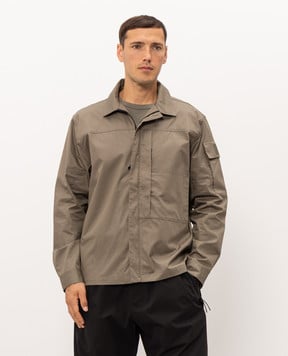
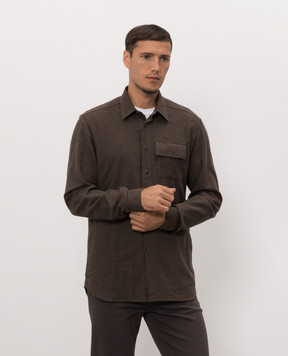
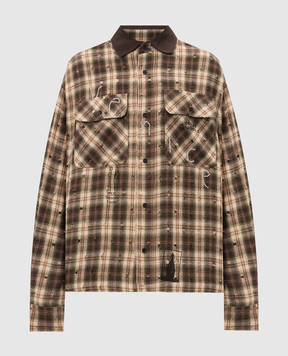
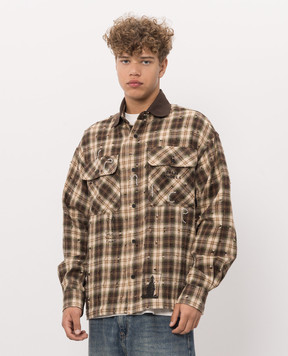
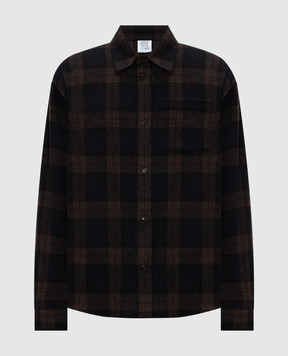
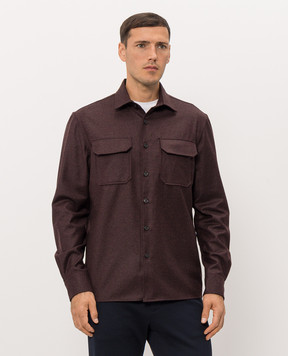
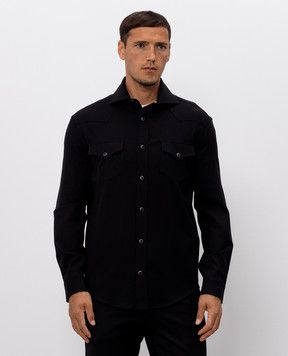
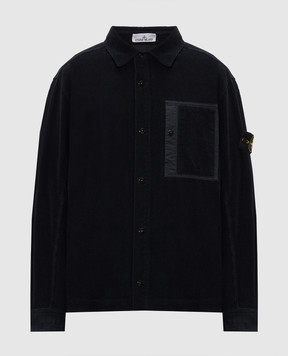
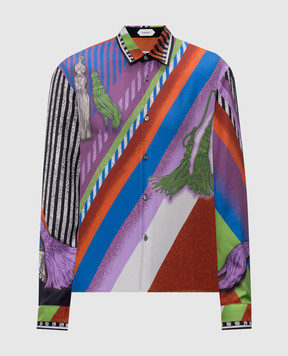
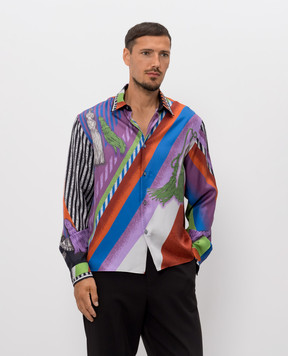
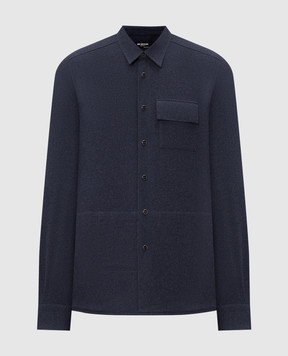
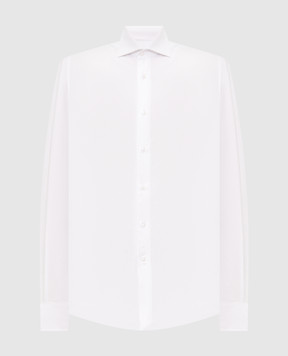
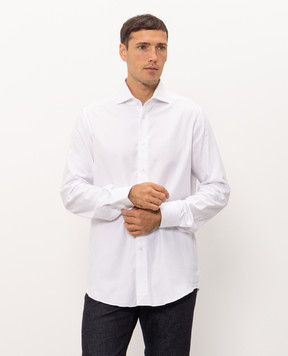
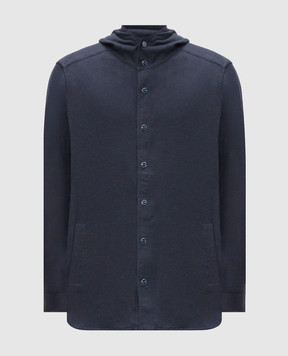
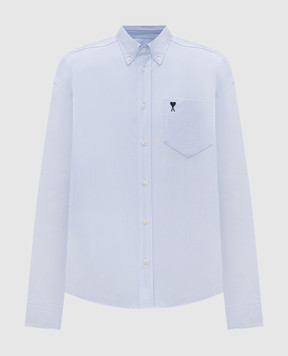
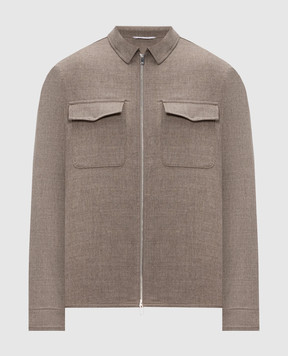
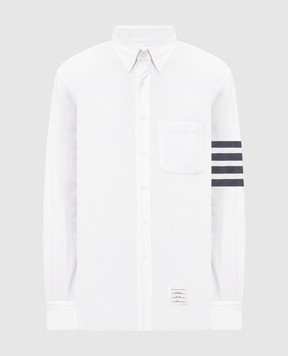
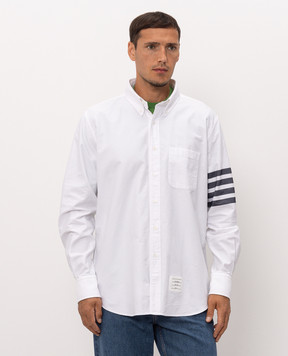
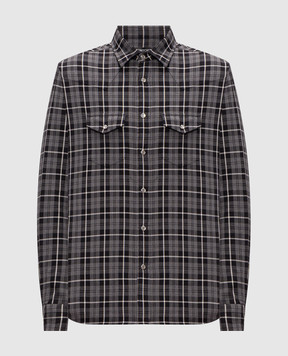
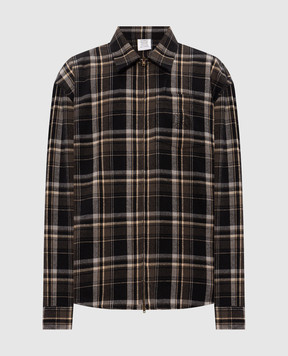
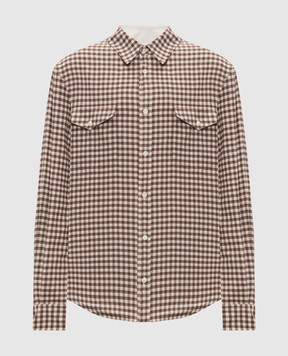
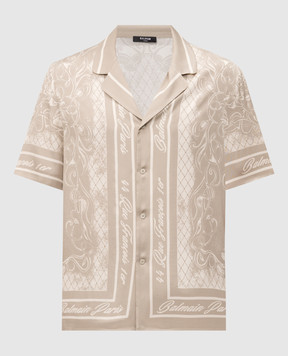
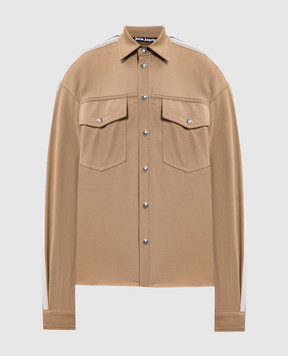
Have you ever wondered about the origins of men's shirts? It's quite fascinating if you ask me. Take a moment to click on "Read more" to delve into the history.
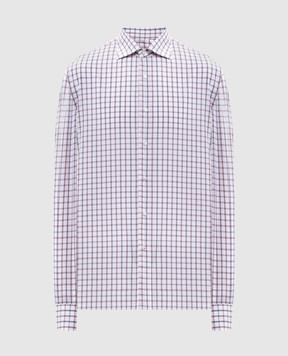
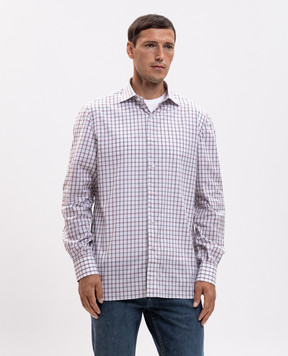
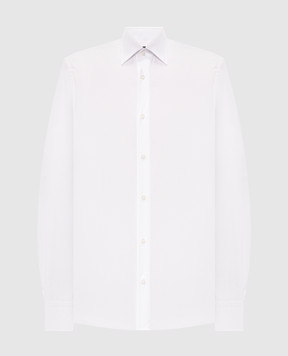
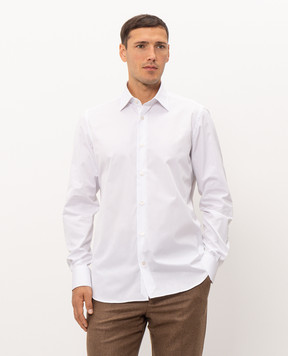
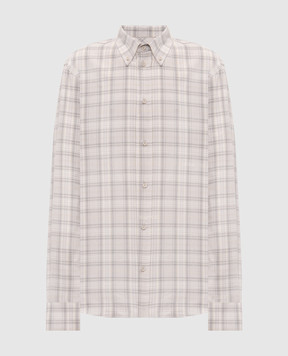
In the 16th century, France witnessed the emergence of shirts with detachable collars, a significant departure from the previous sewn-on collars. The ingenious Hannah Montague, an American, conceived this detachable collar idea to avoid washing the entire shirt. Up until the 16th century, such garments were considered either underwear or sleepwear, but only in Europe. For instance, the Mayan tribe crafted shirts from hemp grass, reserving them exclusively for priests to wear during clandestine rituals. In Russia, shirts served as work attire for commoners, fashioned from linen and fastened with a belt. Much later, during the early 20th century, the classic white shirt found its place in men's formal wear, when regular access to washing facilities was limited to the affluent. Consequently, white shirts became a symbol of status, highlighting the wealth of those who could afford them. A few decades later, the legendary American actor Humphrey Bogart enshrined the "white shirt" as a cultural icon through his frequent appearances in it on the silver screen. And in the early 90s, checked shirts surged in popularity, remaining fashionable even today.